A Canterbury Tale.
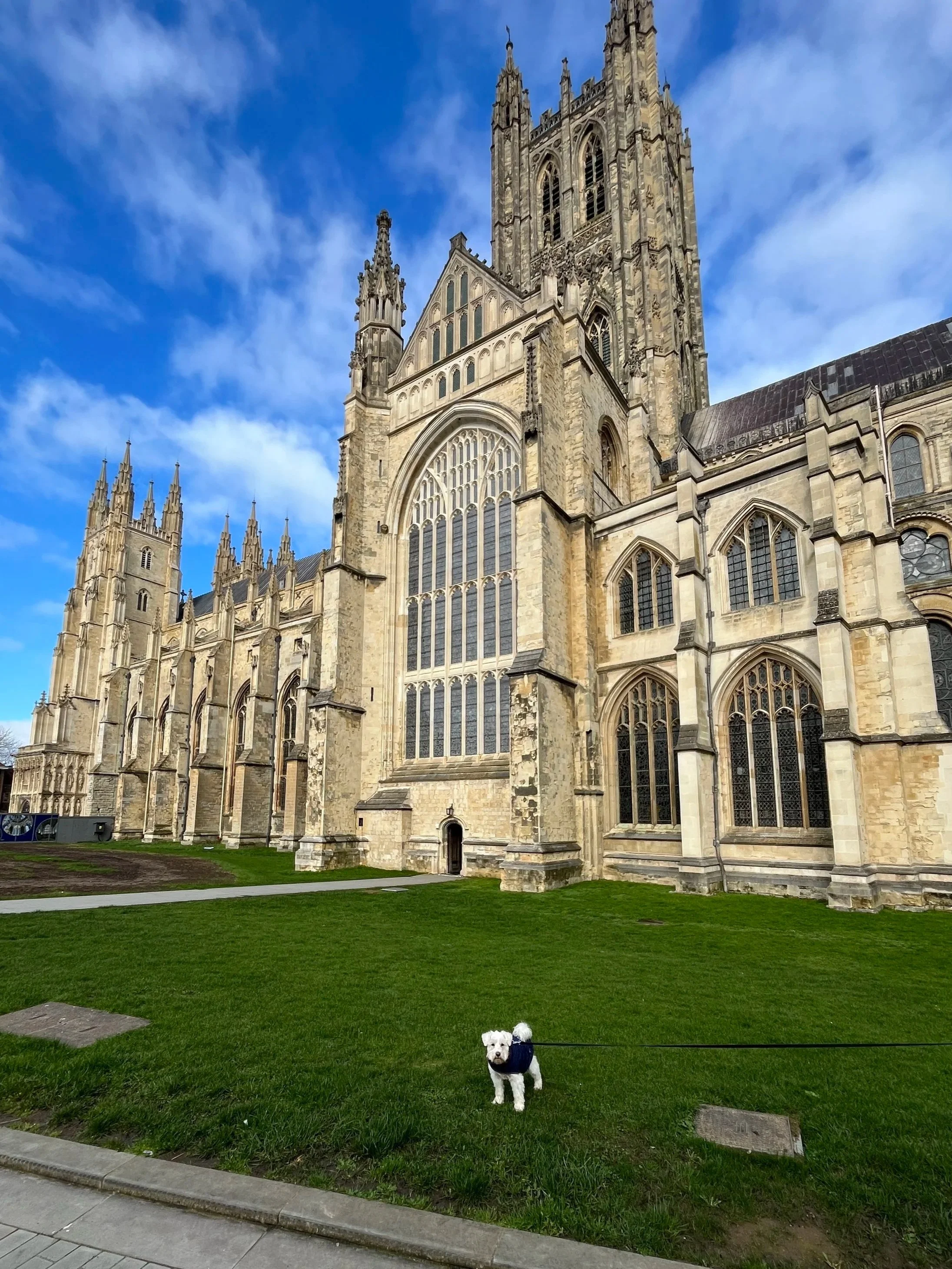
At risk of this website seeming like it’s turning into a travel blog - it’s not, I have non-travel posts coming - I’m back with another Pilgrimage of Paws post where this time we’re in Canterbury. This is actually going to be the first of two posts about Canterbury - the second will come in the summer as this time my trip was cut a little short. This time round, I only had a morning to mooch around the city as (a) I foolishly chose to wear un-broken in trainers meaning that my heels were not in a good shape, and (b) more importantly I’d planned to return to our cottage to spend the afternoon and evening working on PhD upgrade document - more on that in a future post.
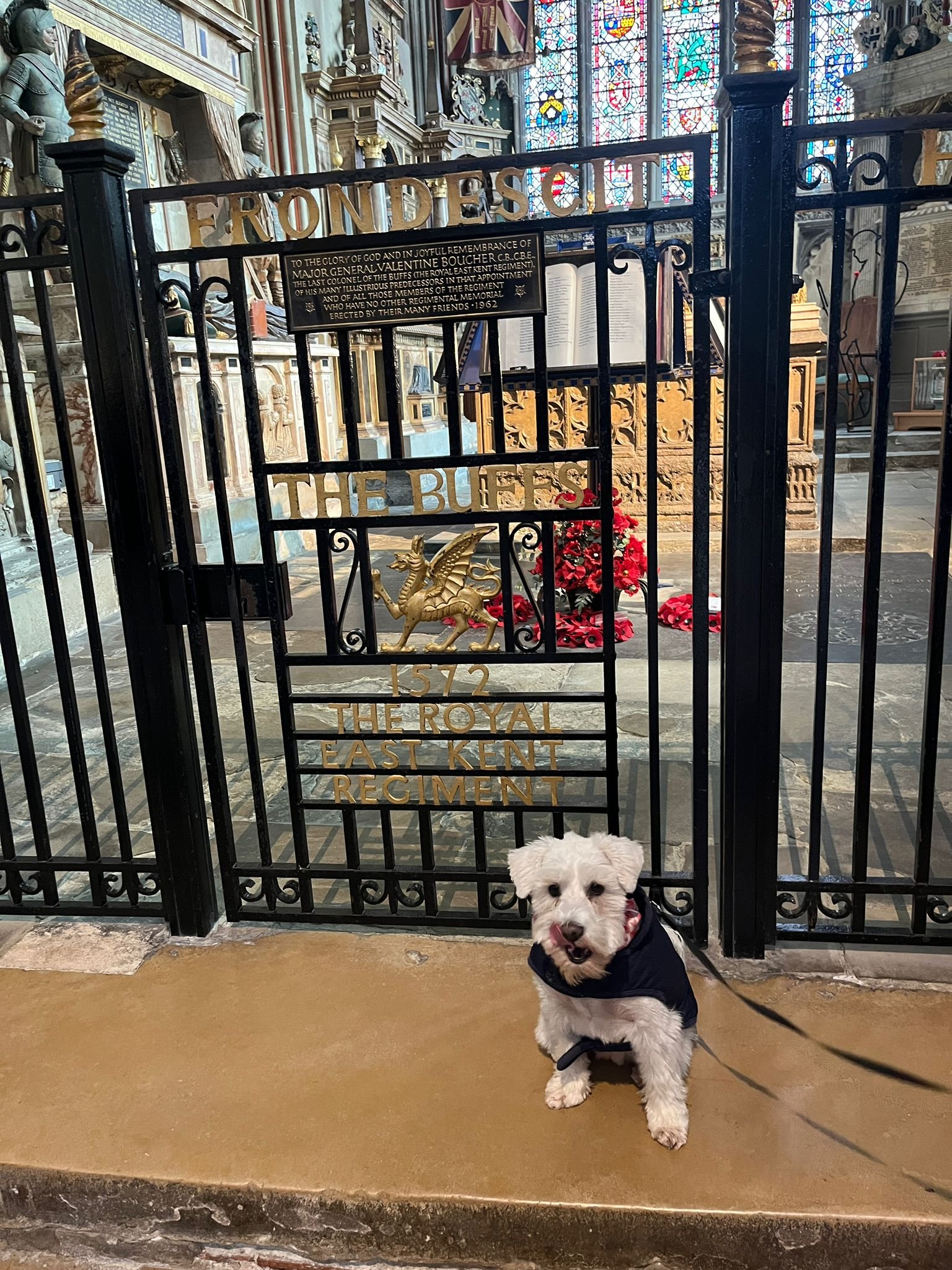
As is traditional at this point, we went straight to the cathedral, which along with two other sites makes up the World Heritage site of Canterbury. Unlike the other cathedrals we’ve visited so far, Canterbury requires you to buy a ticket of a set price (£18 per adult in October-March with children going free when accompanied by a paying adult at a max of two per adult), and whilst that feels pretty steep compared to the others, it does give you repeat entry for a whole year. What the cathedral has in common with the others however is that al the staff we met were absolutely lovely and very welcoming, with many of them giving the doggo a fuss.
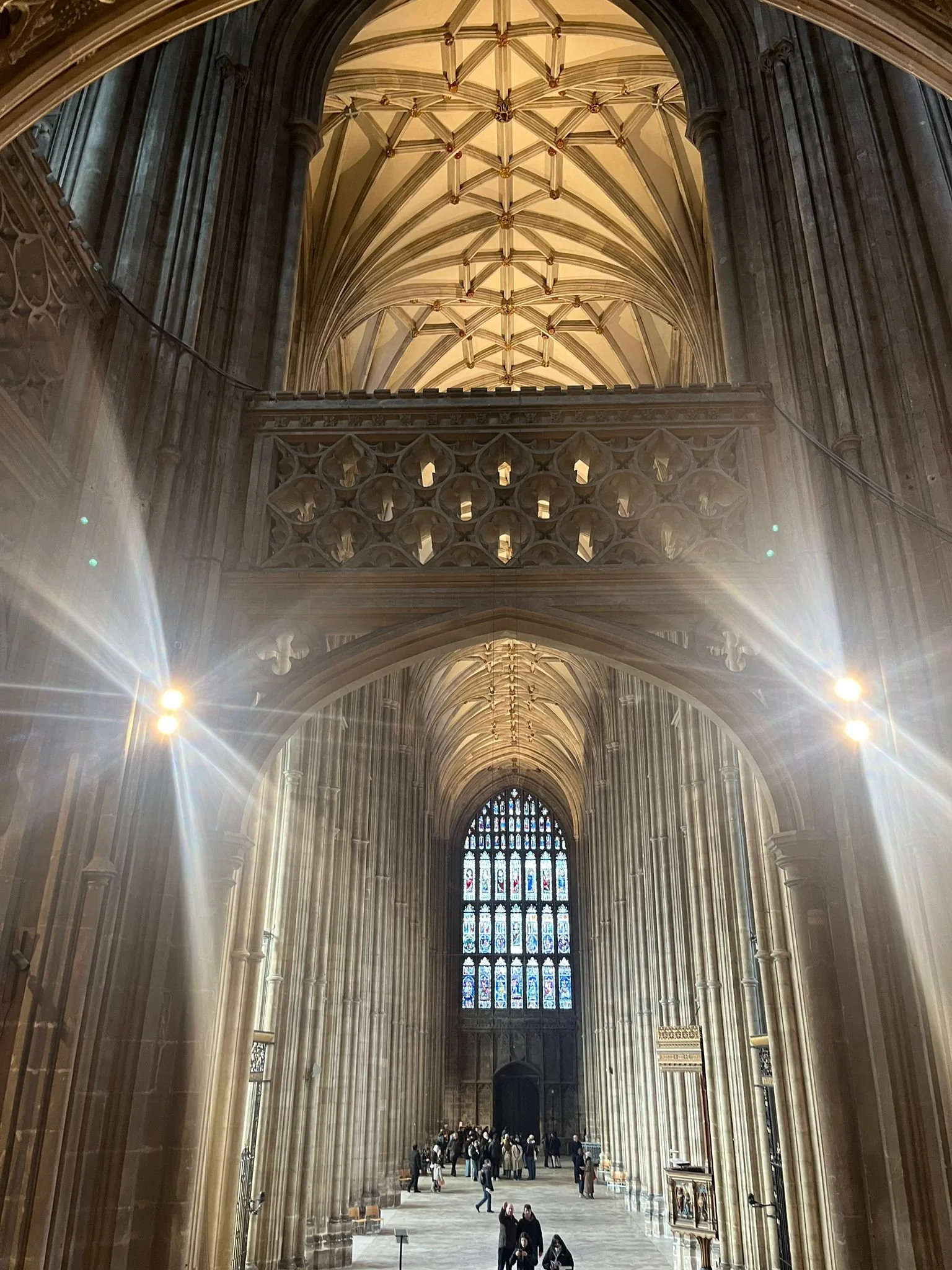
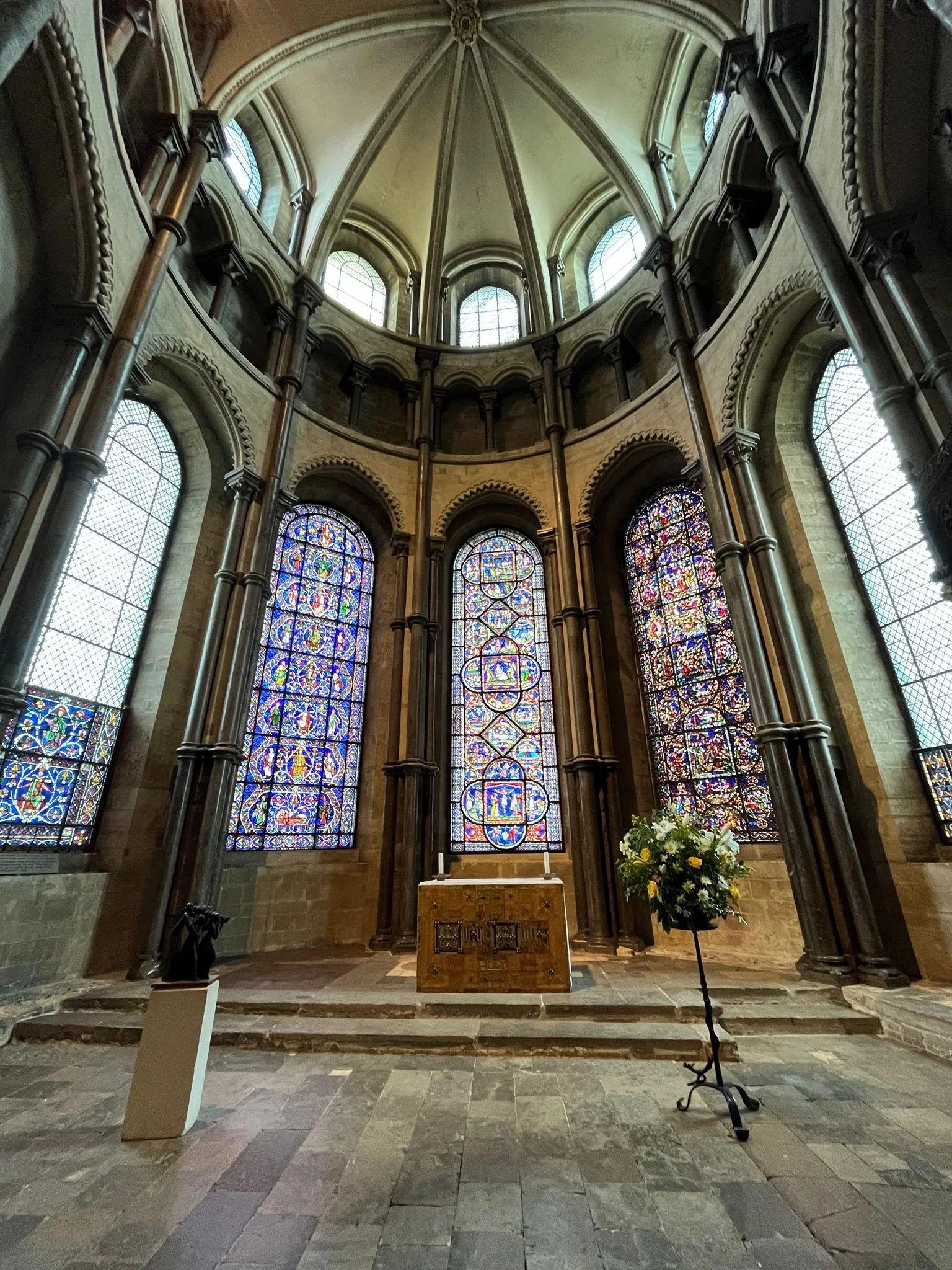
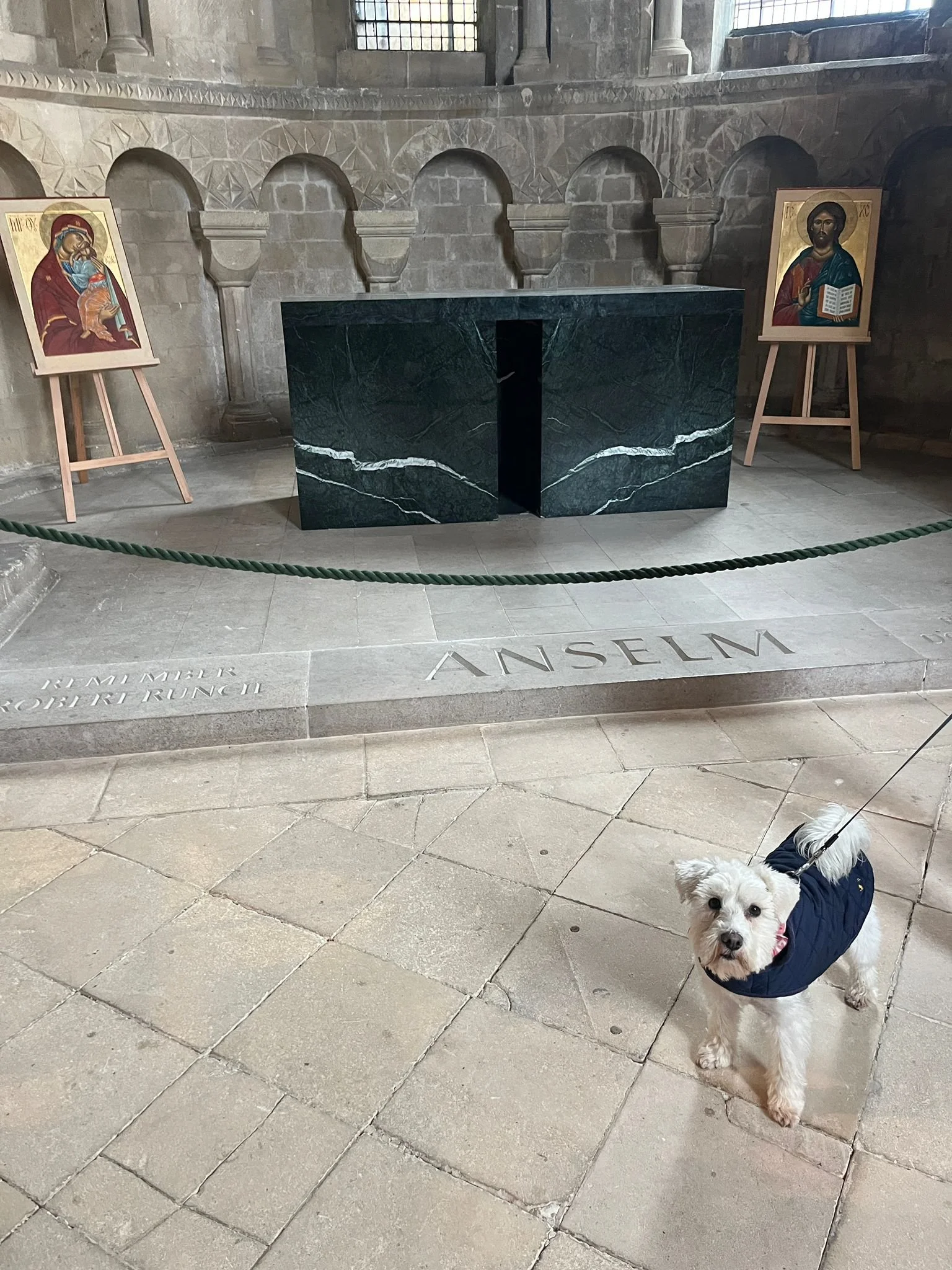
I’m constantly amazed by how many of the cathedrals we have existing today have absolutely ancient roots, and Canterbury is no exception - there have been Christians in Canterbury since the Romans, with the earliest cathedral being an existing church building. Then in 1067 disaster struck and the old cathedral was ruined by a fire before being rebuilt and dedicated in 1077. Of course over time, work continued, with the gorgeous crypt being built after 1093 by Archbishop Anselm. Another quire, consecrated in 1130 was once again destroyed by fire in 1174. The new building pioneered one of the earliest examples of the Gothic style.
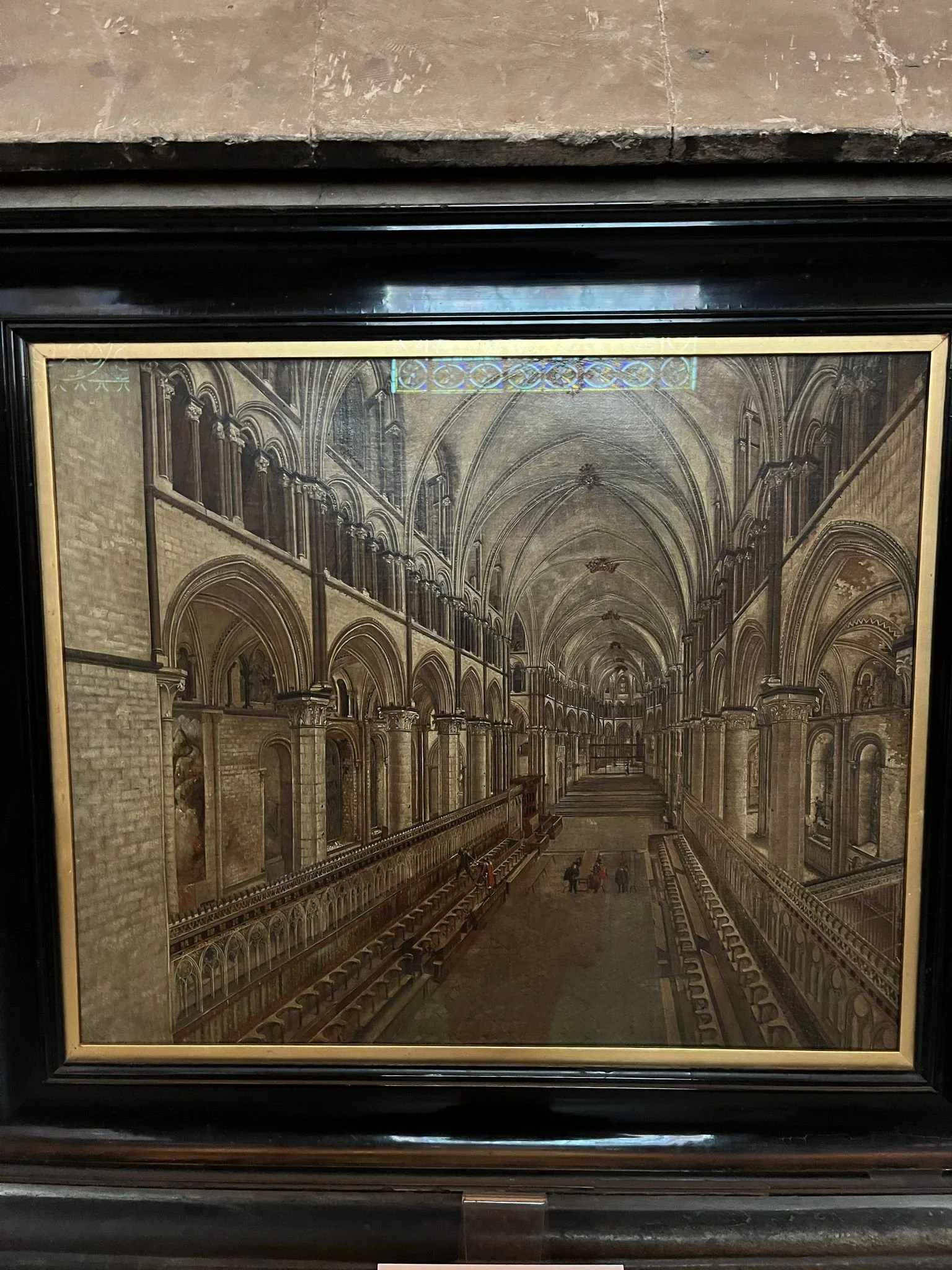
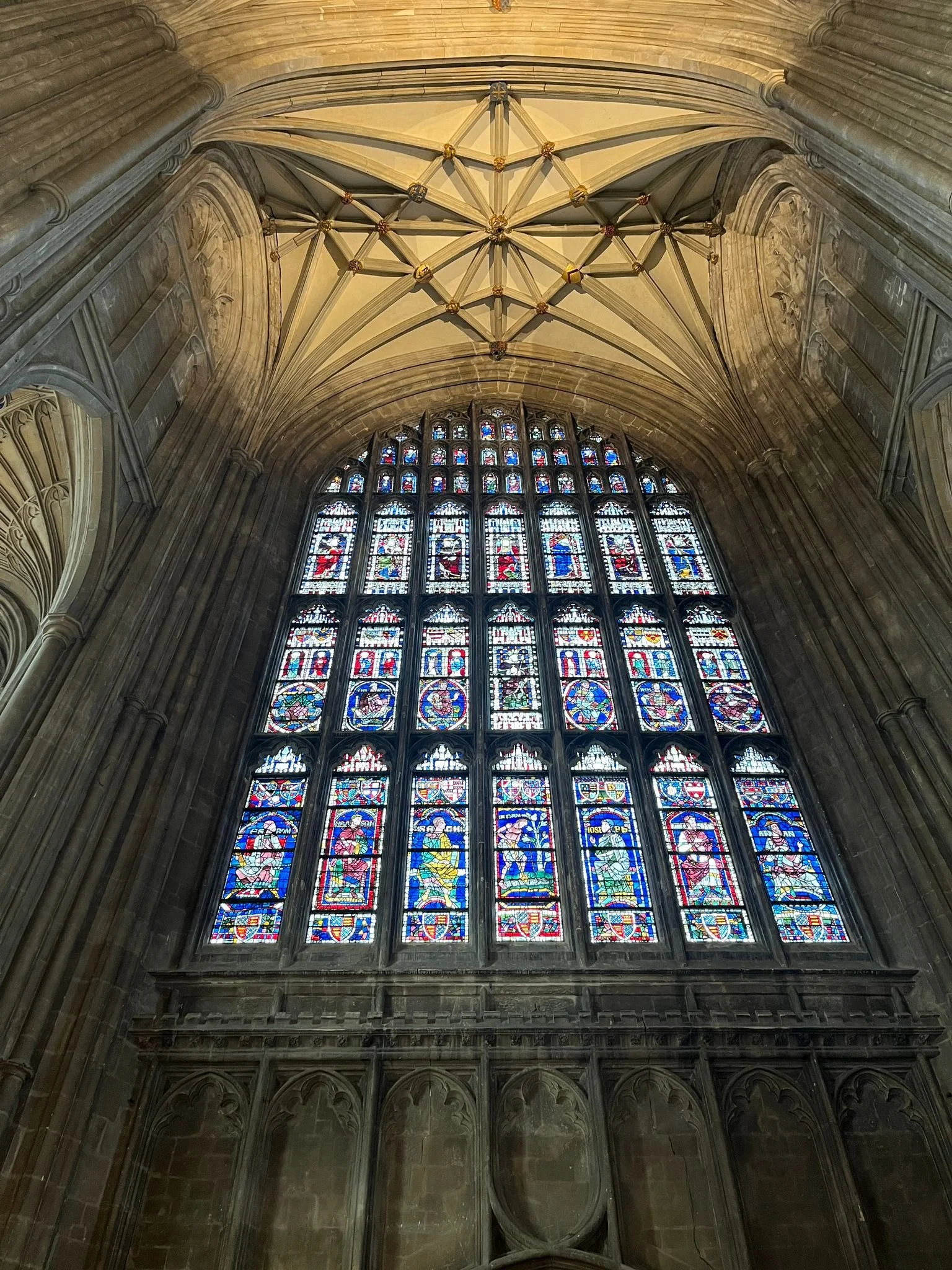
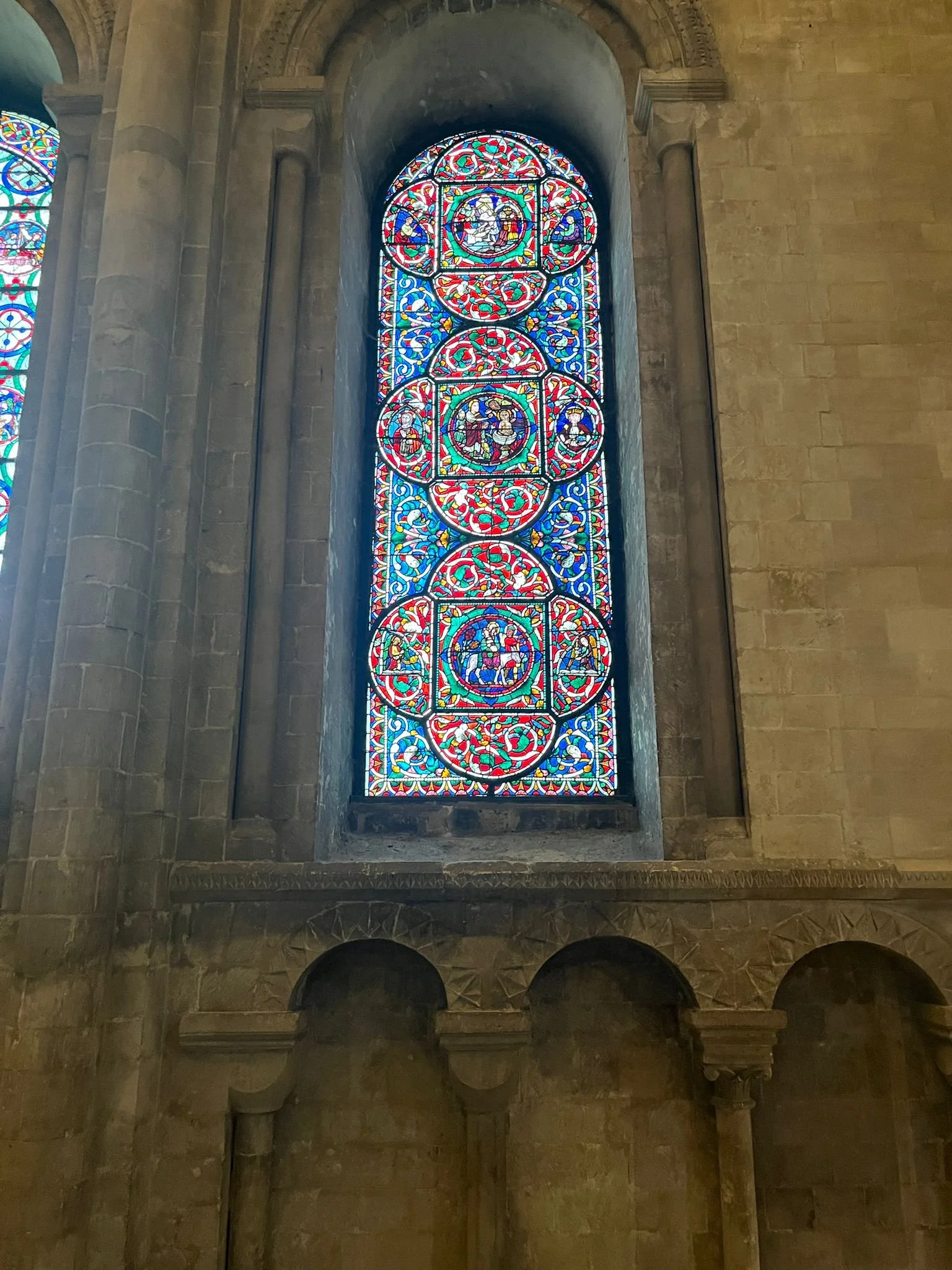
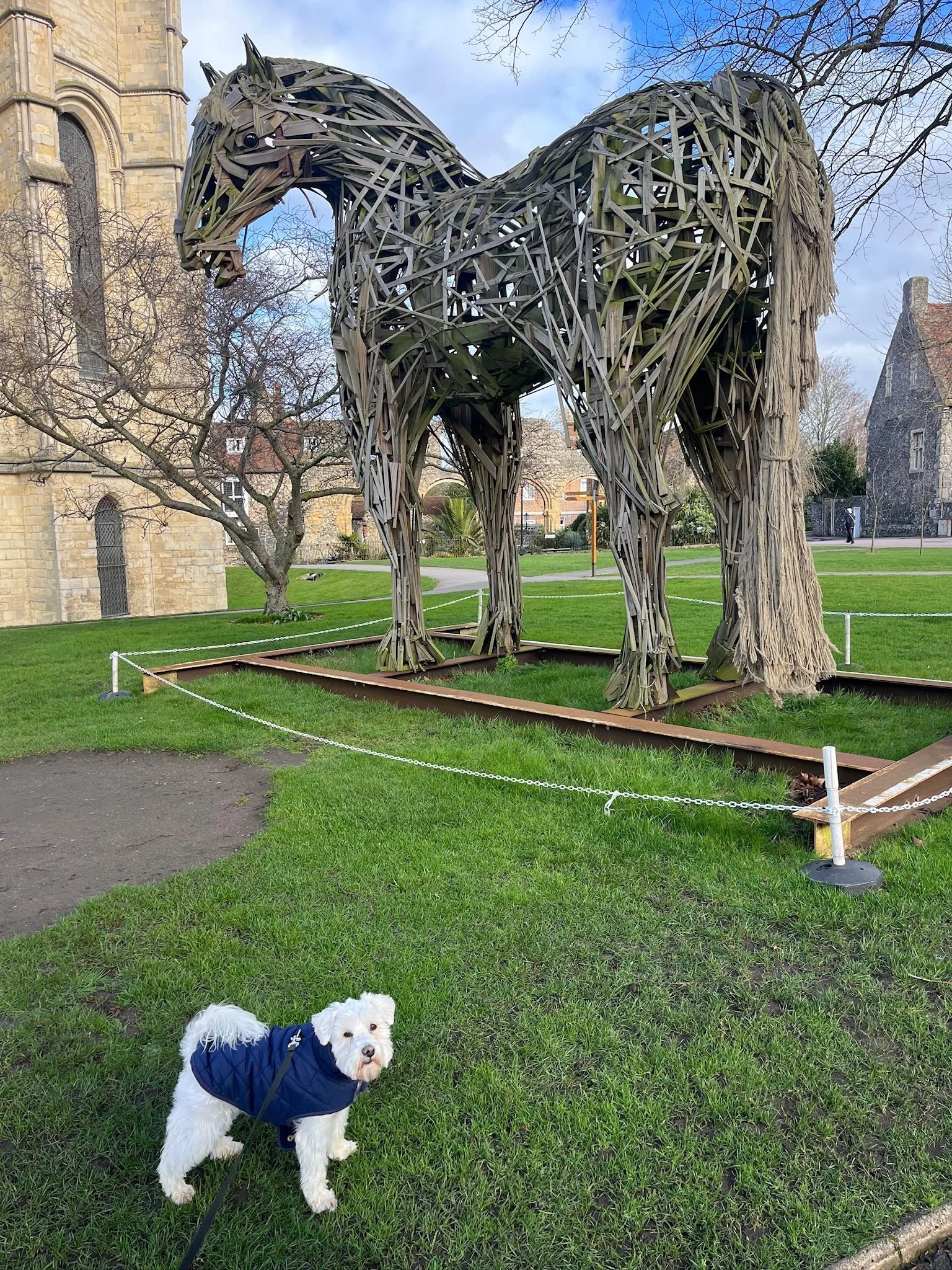
A key thing to know about the cathedral is it is quite frankly, huge. The height of the ceiling, the scale of the stained glass…it is gorgeous. There are stairs, and nooks, and side chapels, a crypt also full of side chapels there are grand spaces and cosy ones. There’s 12thC religious art painted on the walls, 17thC oil paintings showing the destruction of stained glass during the civil war, an Antony Gormley installation from 2011 made from nails from the roof, and a twenty foot wooden horse installed as part of the cathedral’s 2018 WW1 armistice celebrations in memory of the animal sacrifice made on the continent during that war.
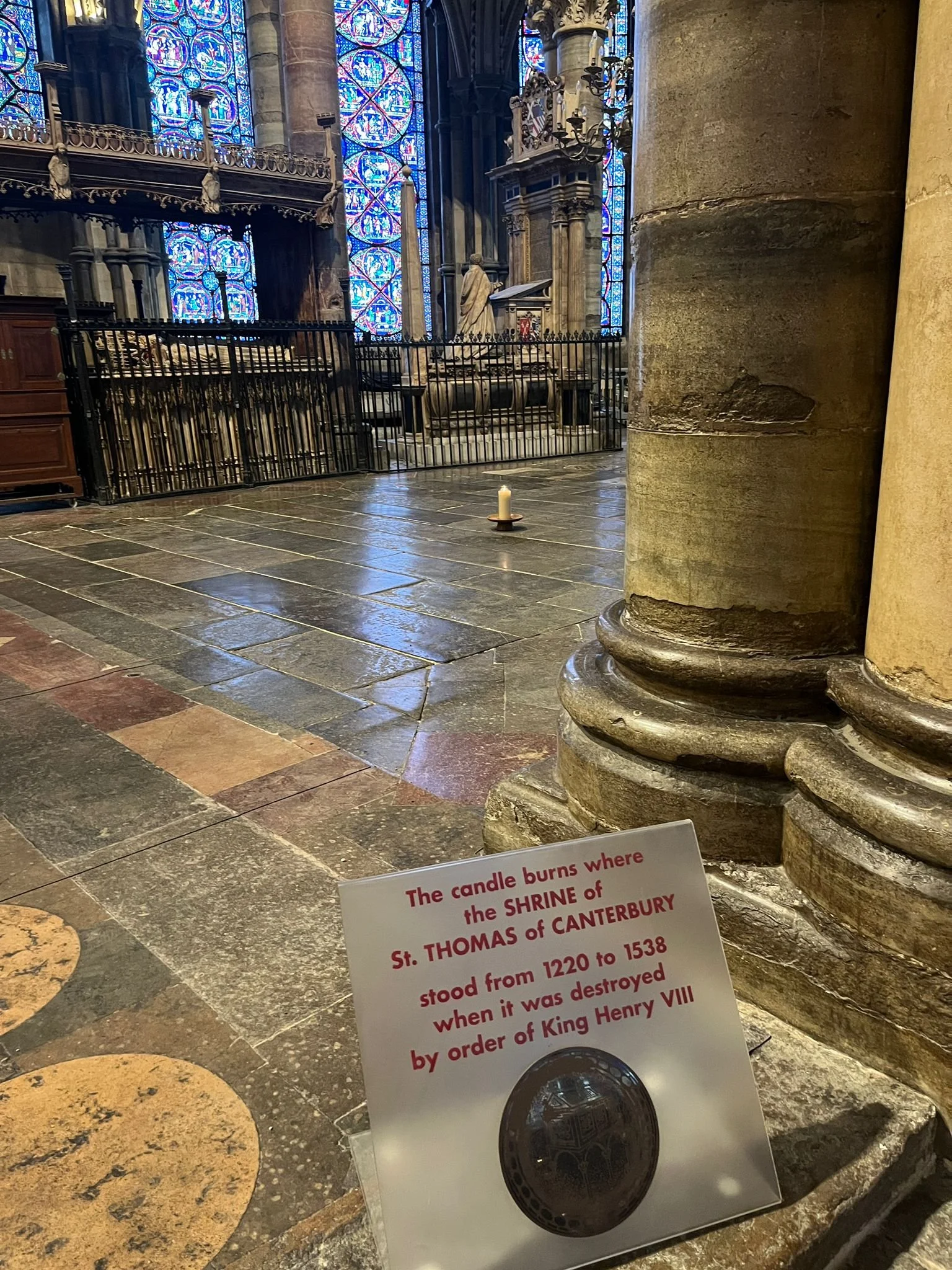
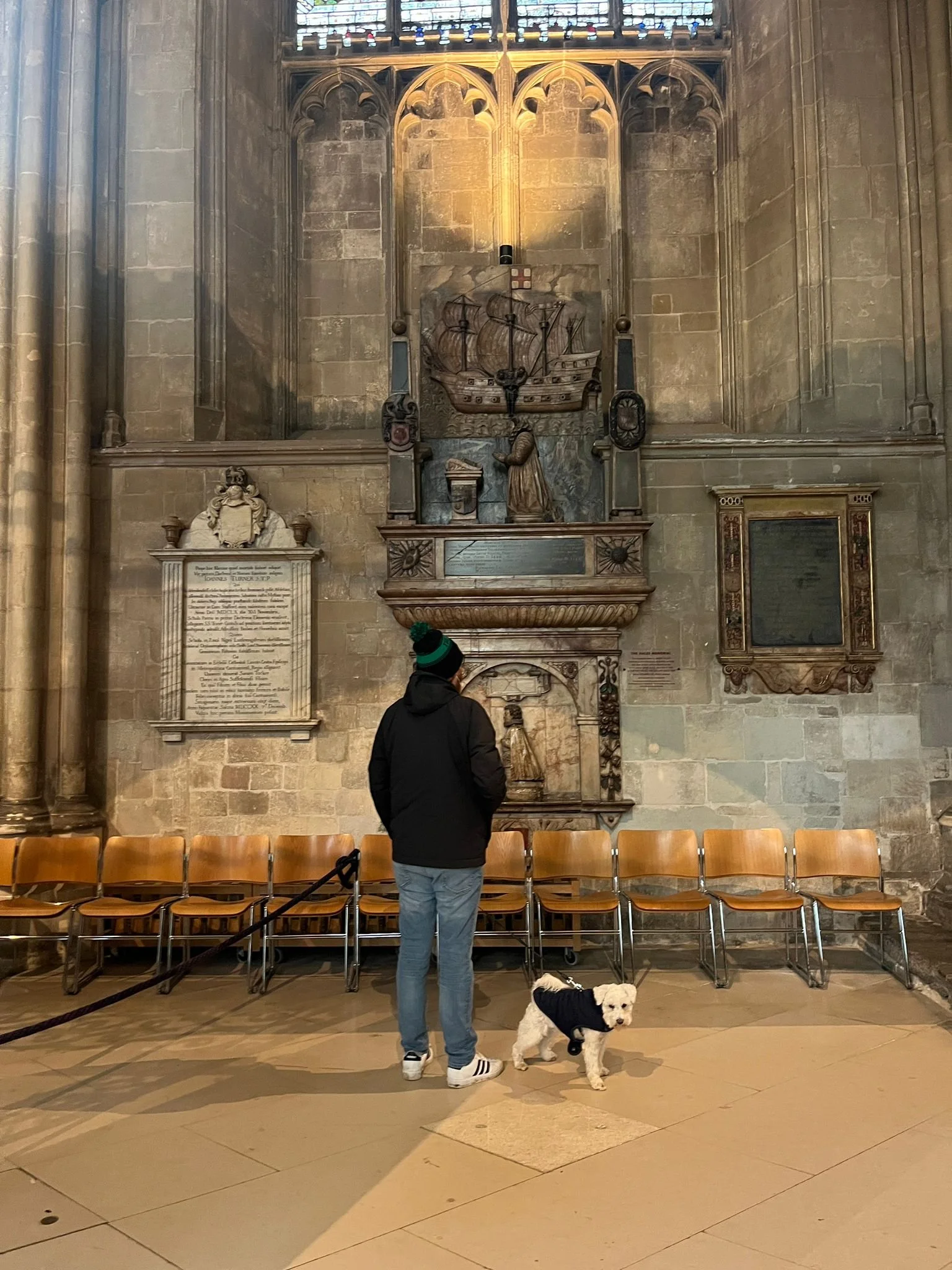
Buried in the church are quite a lot of previous archbishops, plus the Black Prince, and King Henry IV alongside his wife, Joan. It’s also, famously the place where Thomas Becket was murdered - an event in the cathedrals’s history that I think was possibly the first thing I ever learned about the cathedral as a child. Becket was born in London in 1118 to a father that was a rich merchant. He received a good and varied education and became Archdeacon of Canterbury. When Henry II was crowned Thomas got a top role as Chancellor of Britain, working closely with the young king as diplomat, mediator, advisor, and administrator. When Theobald, Archbishop of Canterbury died Henry gave him job (though as he was only a clerk in minor orders at the time he was quickly ordained as a priest, consecrated bishop the following morning and became Archbishop in Canterbury Cathedral that same day - quite the speedy rise.
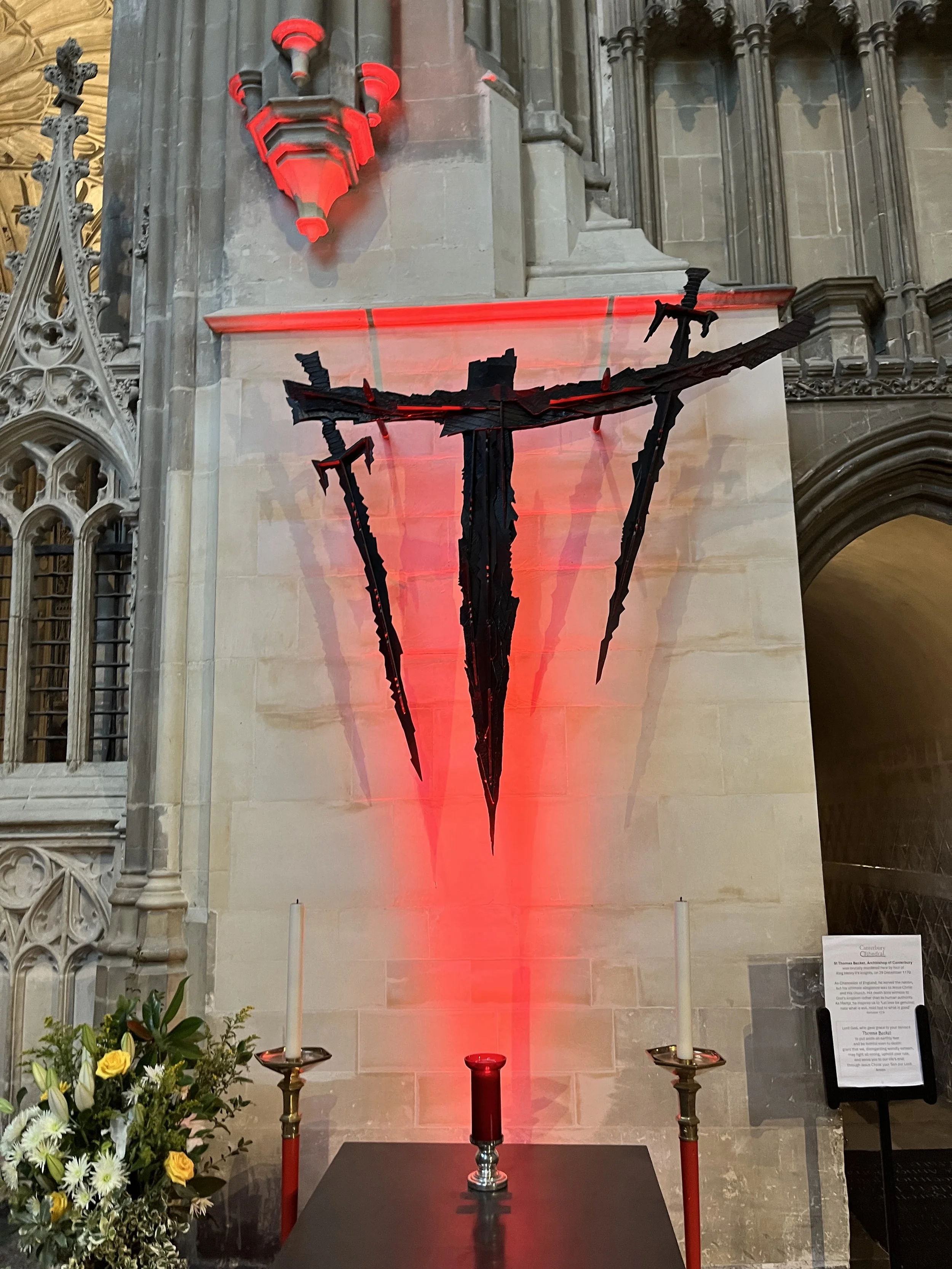
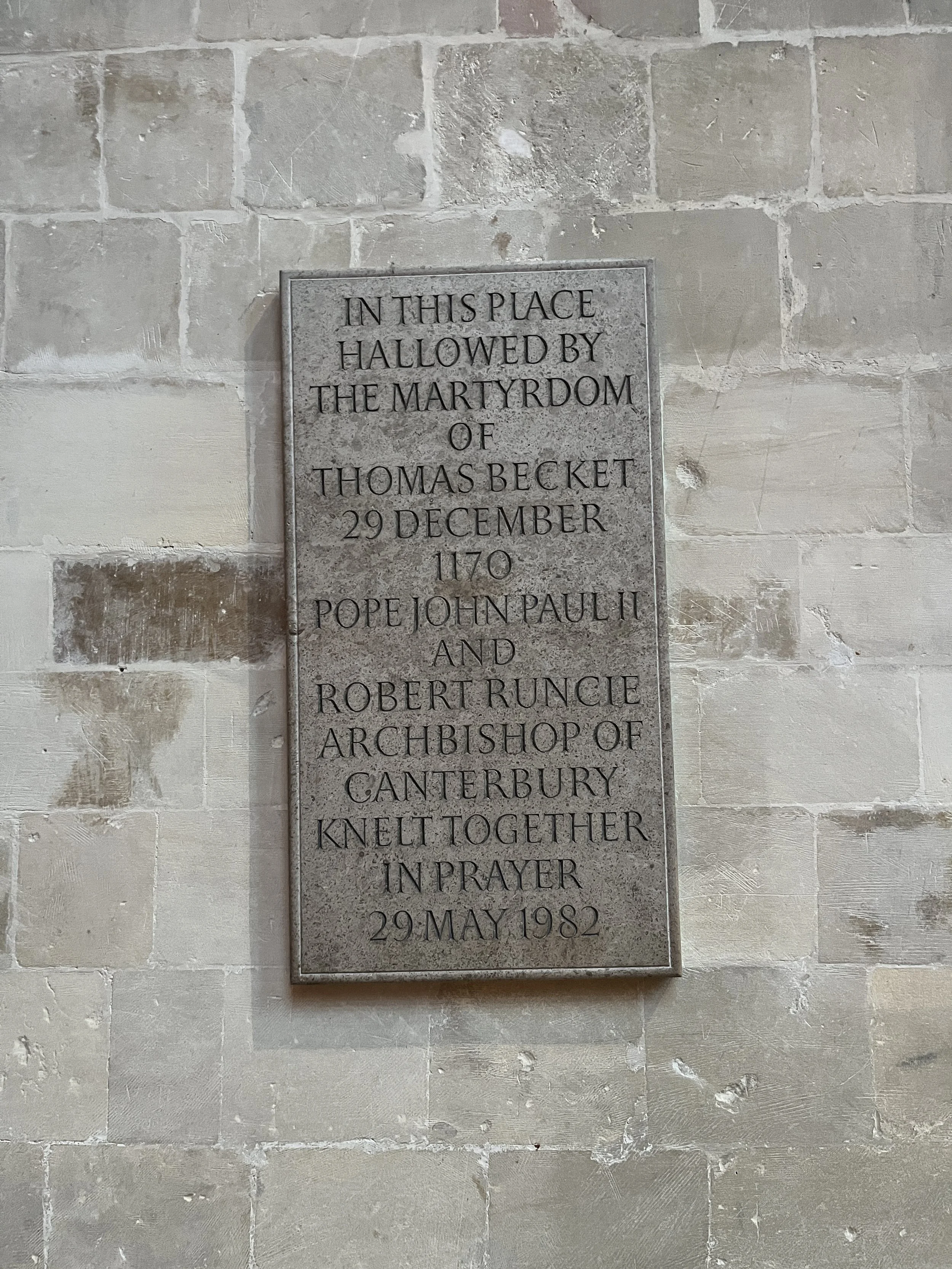
During the Middle Ages, relationships between Church and State were often complicated and the two friends (Thomas and Henry) found themselves at loggerheads over disposal of church property, taxes, and how churchmen should be tried and punished under the law with Thomas overtly criticising Henry’s reforms. In 1164 Thomas was called to a meeting with Henry in Northamption which quickly turned tense and Thomas fled through a stormy night to France where he was exiled for six years before returning in 1170 to cheers and feasting of the gathered crowds. The Archbishop of York, Roger, sought out Henry telling him ‘While Thomas lives, you will have neither quiet times nor a tranquil kingdom’ and the king saw red. Four knights were dispatched, arriving in Canterbury on 29 December where an argument broke out, knights bursting into the Cathedral and calling out for Thomas. When he stepped out to meet them a fight ensued, and Thomas threw them off. A further tussle ensued and the knight eventually got their man, repeatedly striking him with their swords, until his fell to his death in the north-west transept. Over the following days and years miracles were attributed to Thomas who was canonised in 1173. The spot of his murder is now marked, as below, with a plaque and altar. The site of Thomas’ murder added to Canterbury as a site of Pilgrimage, something that provided revenue for Canterbury throughout the Middle Ages and forms the narrative of Chaucer’s Canterbury Tales.
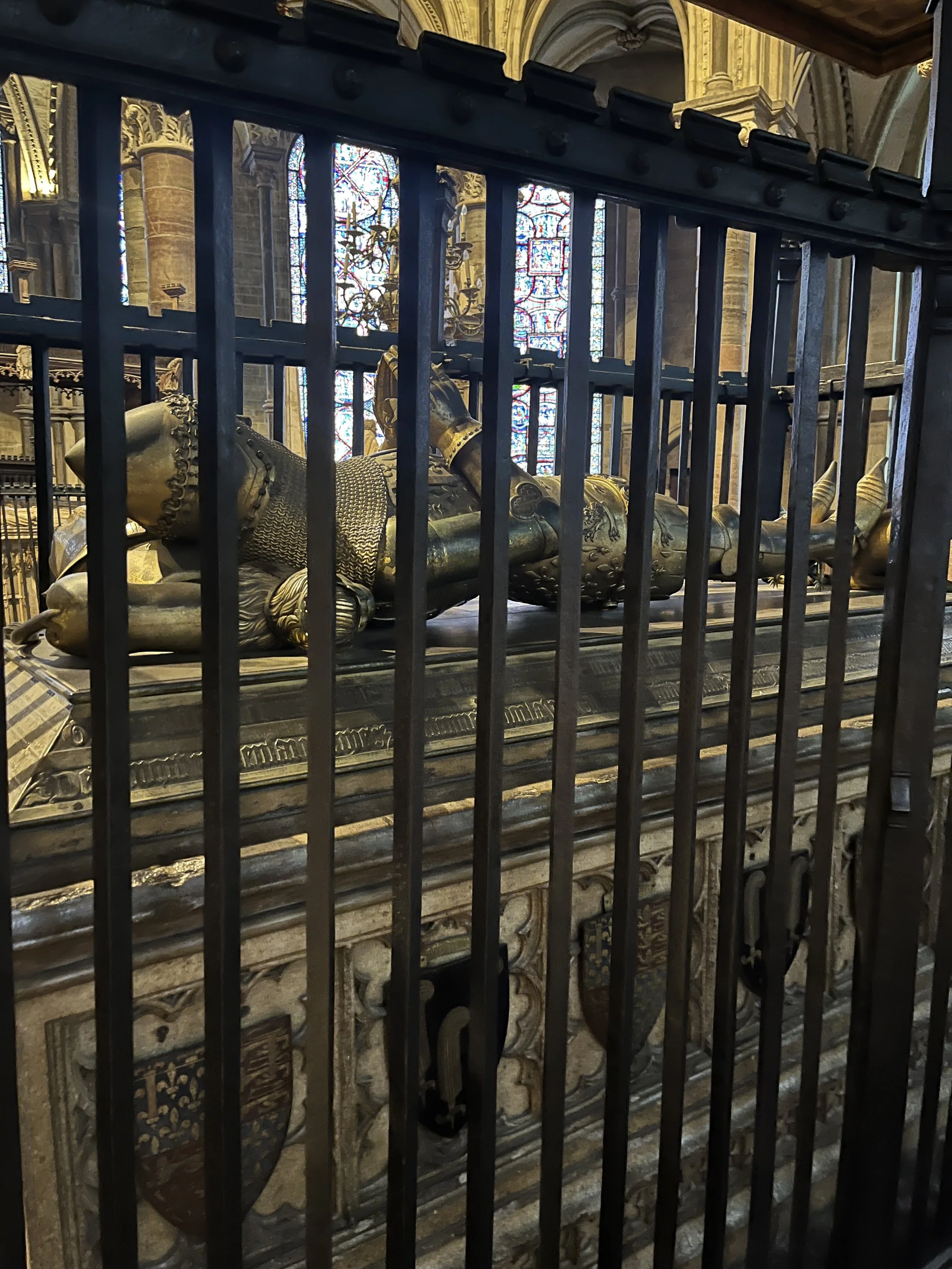
The Black Prince
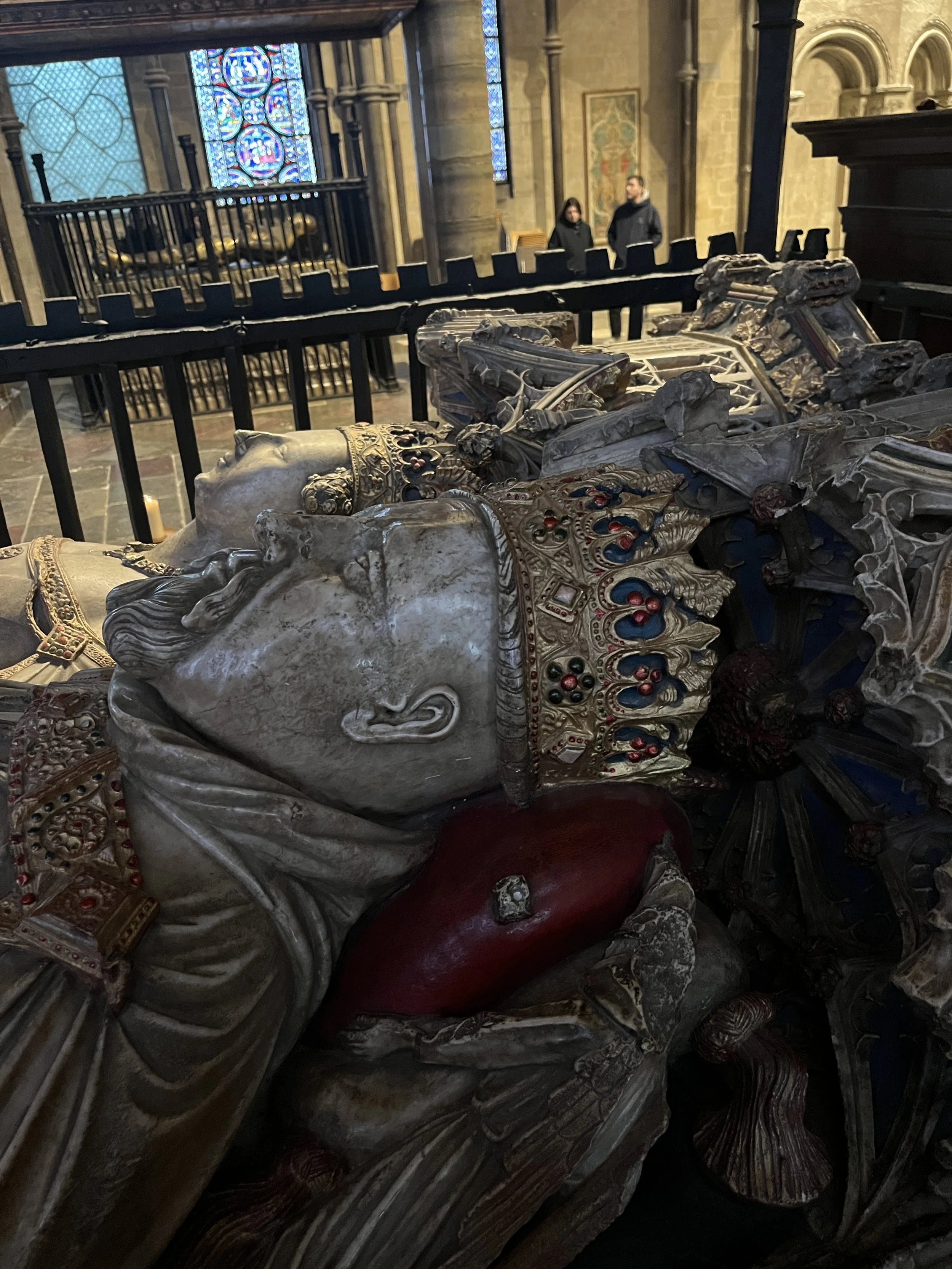
King Henry IV and Queen Joan
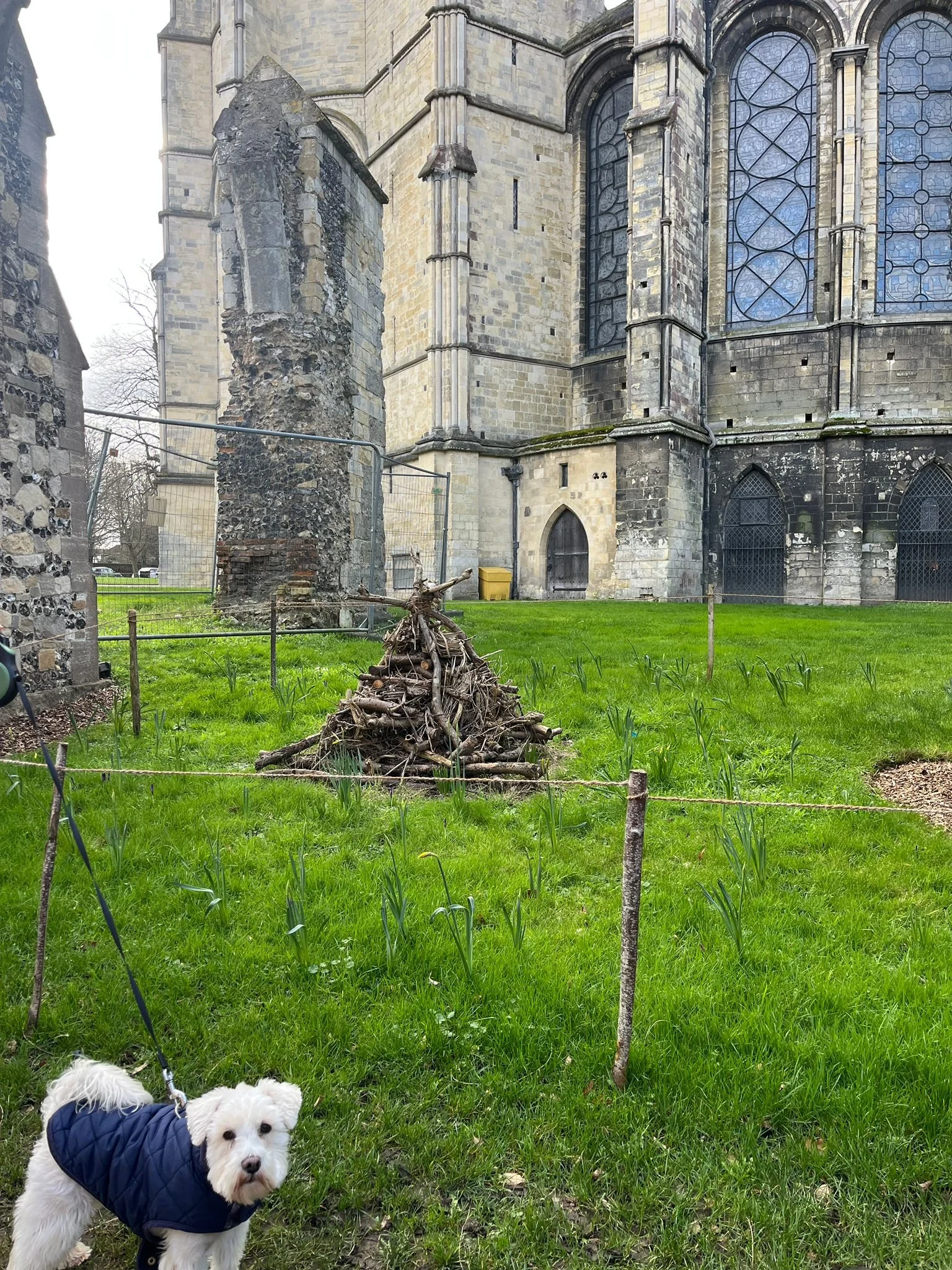
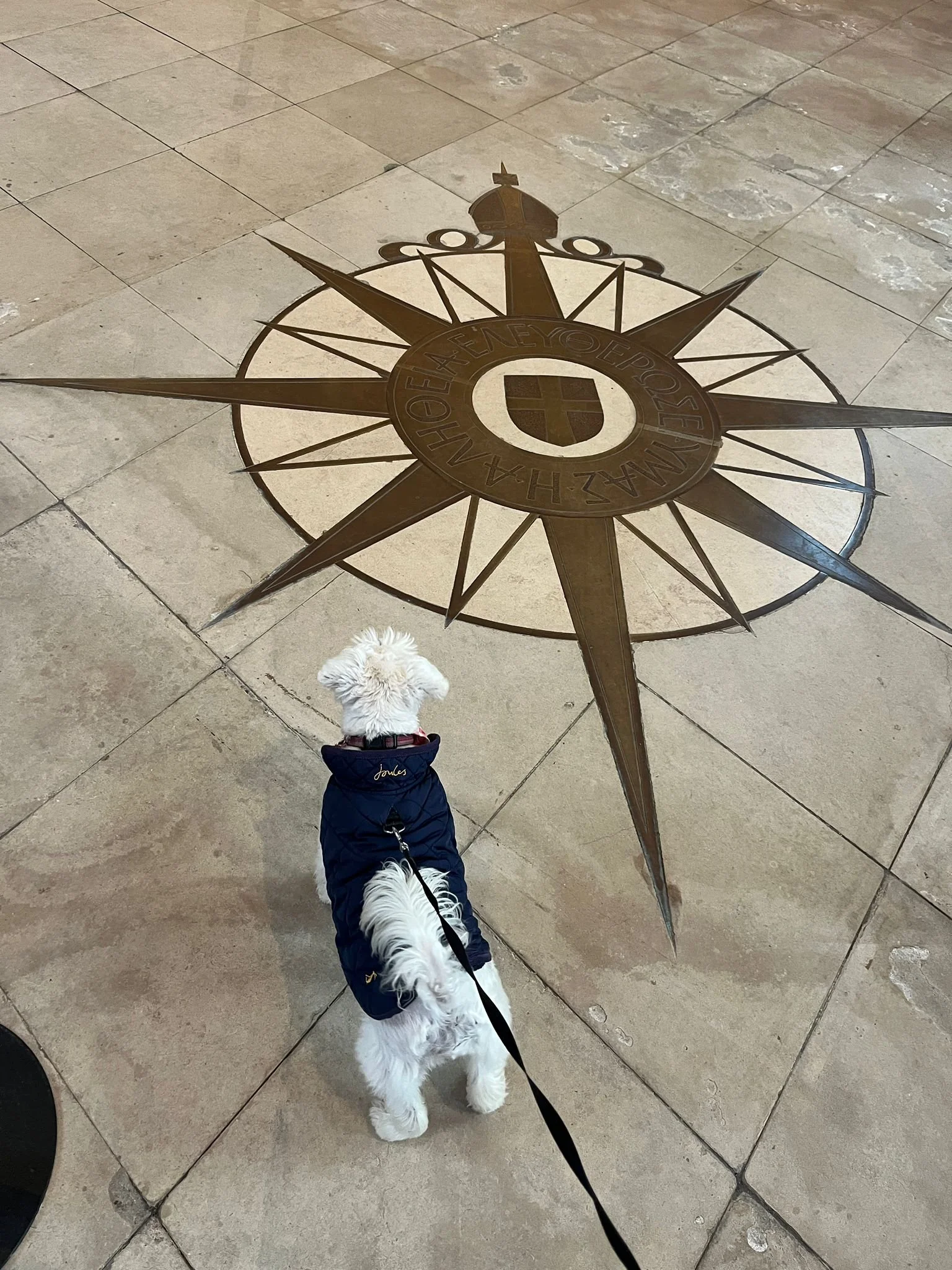
There are of course endless stories that could be told about such an old building - but for those you simply must visit, and grab yourself a guidebook (I got the £12 one which is chock full of text and photos, though there’s a small and cheaper one you can get too). Dog’s are allowed everywhere we tried to get into, including in the cathedral grounds (there’s one section where animals of both four legs and two are asked to keep off the grass). The shop in the cathedral was great too (though I’m always sad there are never any dog treats to buy), and I picked up mead, cider, cherries in kirsch, beer, and of course a book, specifically ‘The Canterbury Tales: A retelling by Peter Ackroyd’ and a bookmark.
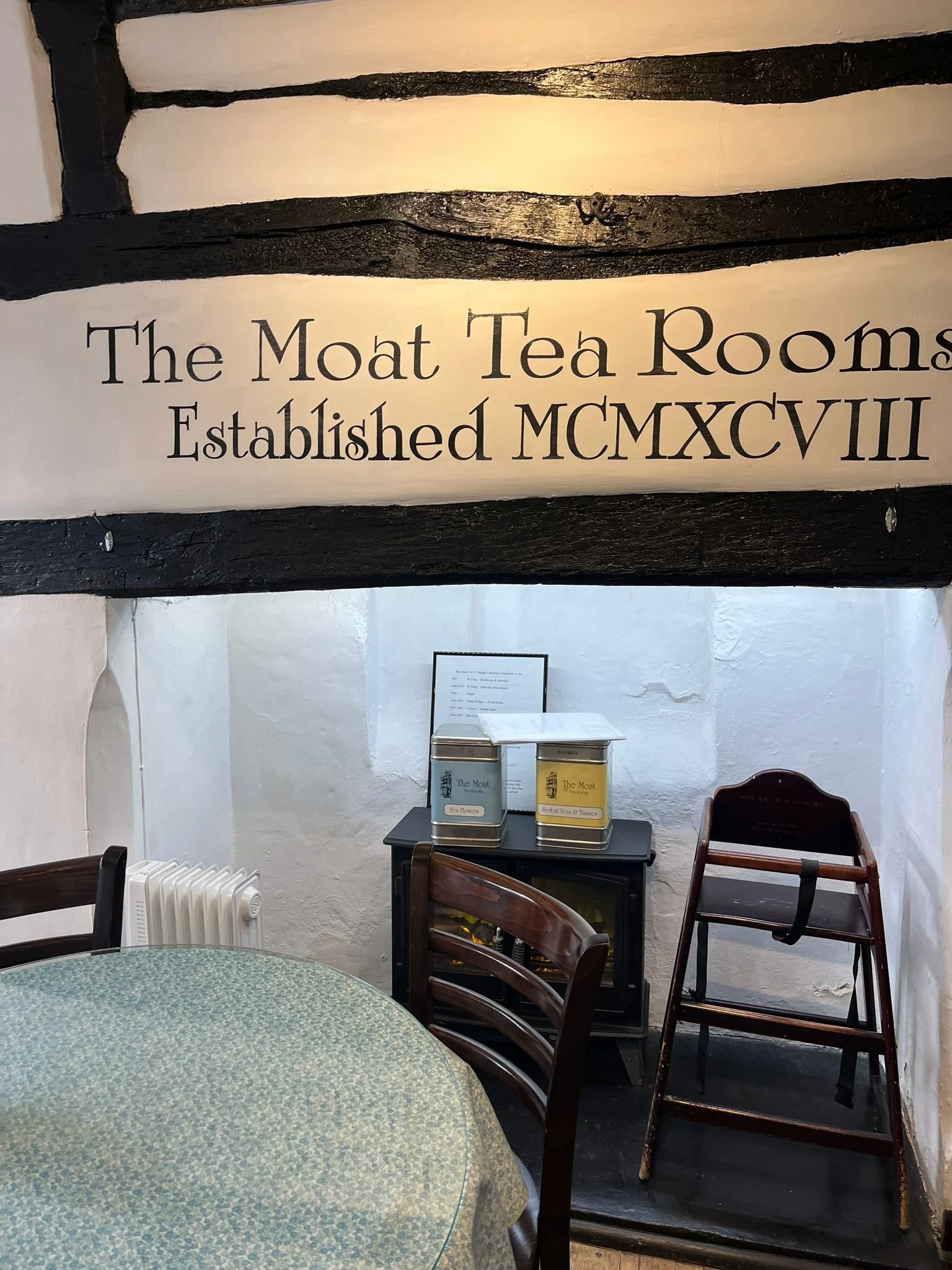
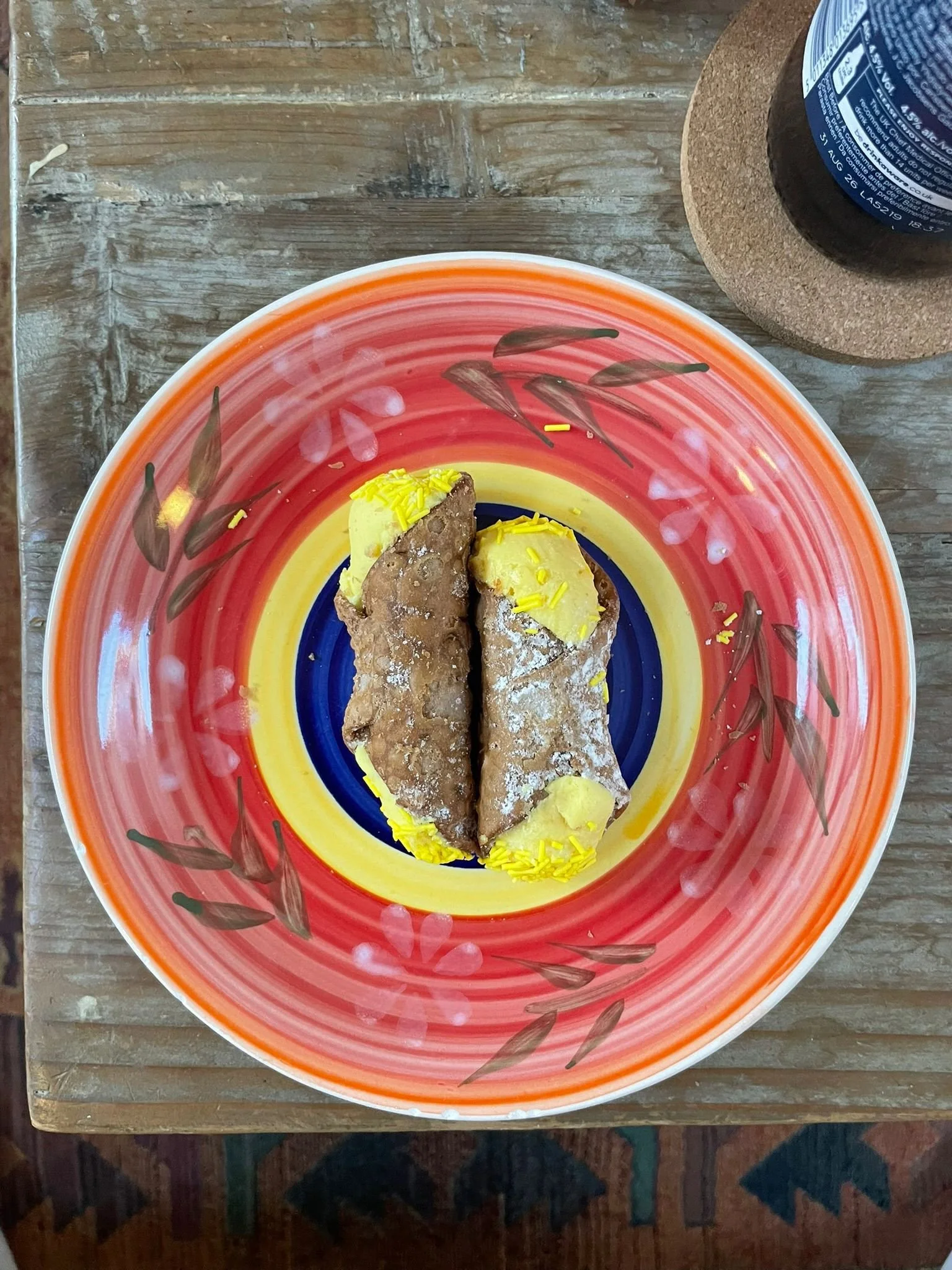
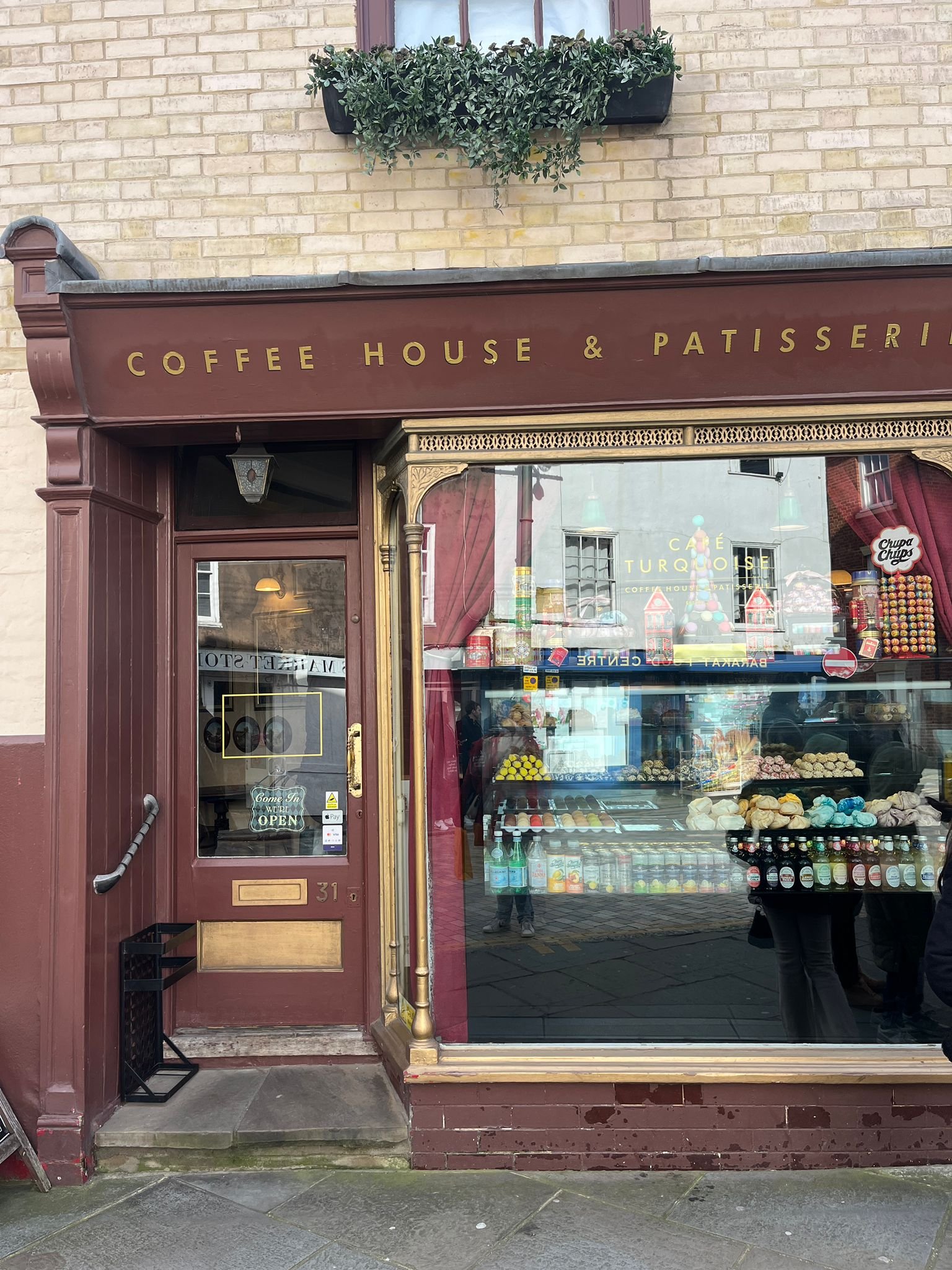
At this point my feet were starting to hurt and we had to head home so we quickly visited our favourite cheese shop (Paxton & Whitfield - dogs can pop in, but the space is v small. If you’re with someone else I’d recommend them standing by the door and discussing the cheese with them); Cafe Turquoise for some amazing lemon cannoli (I forgot to ask if dogs could come in as I just ran in and out); Corkk for a bottle of wine (dogs are allowed); and finally The Moat Tea Rooms where I picked up a millionaire shortbread and huge slice of lemon drizzle sponge cake (the man I spoke to told me that small dogs are allowed in as the space is small and he thinks larger dogs would likely be overwhelmed and not enjoy the space - and he would know as he has five dogs of varying sizes, so it’s safe to say he’s a fan of our four legged friends!) Whilst visiting the tea room you can eat in, or takeway, and sample a wide menu which includes an afternoon tea. As you enjoy your slice of cake and a cup of tea you can take in your surroundings, sitting in a two story timber-framed building that dates to at least the 15thC, with the original fireplaces still in existence. The entrance door, the handle to which you have have to reach down an oddly long way dates to the sixteenth century, and out the front of the building are two similarly old gargoyles (technically grotesques). A wonderfully historic spot to end a heritage filled morning in Canterbury.

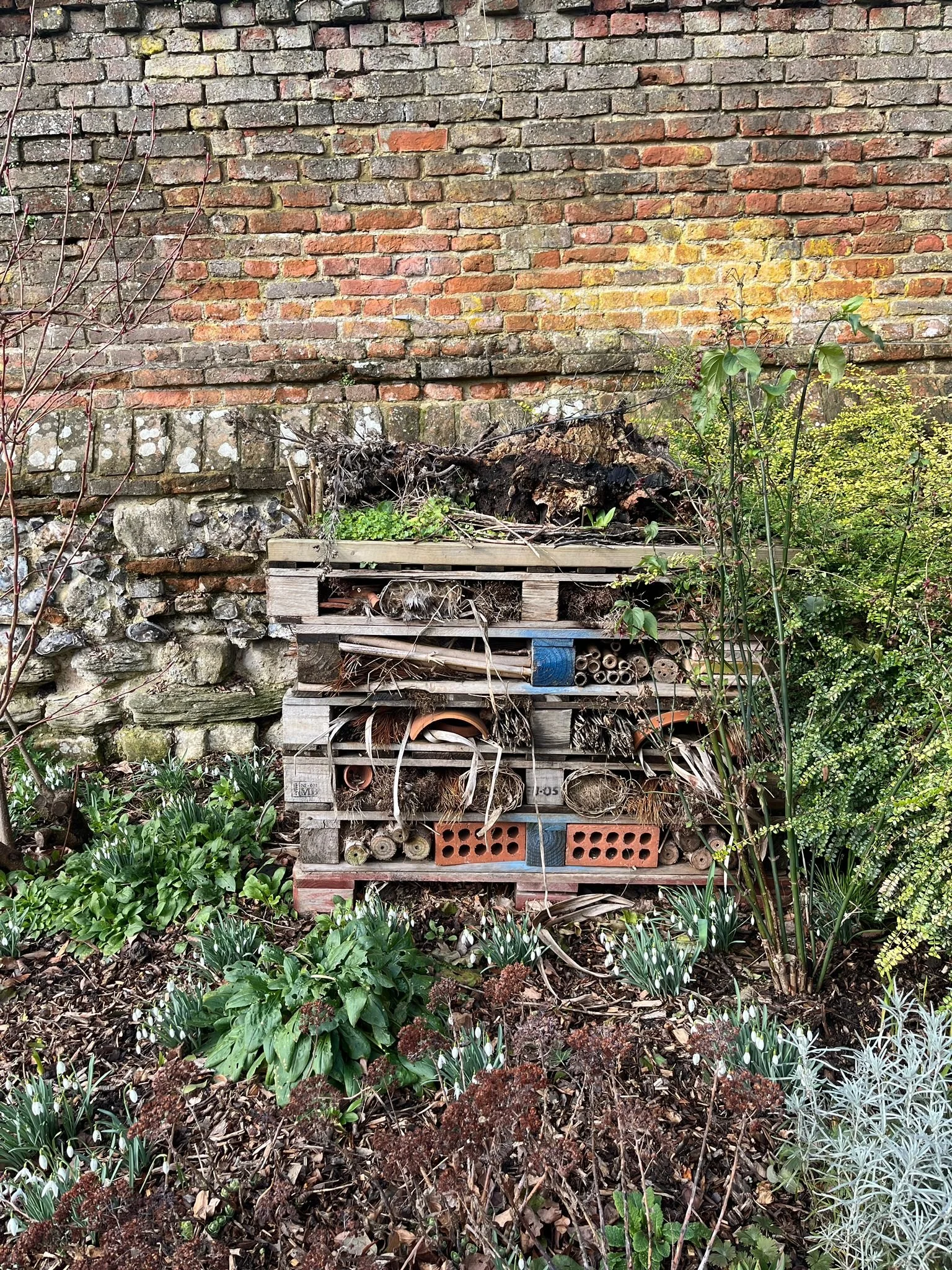
Overall, would I recommend a visit to Canterbury Cathedral with a dog? Yes I would - particularly if it’s somewhere you can re-visit to make the most of that yearly ticket. The cathedral was huge, which meant we didn’t feel too crammed in with people at any point which was great. The gardens were lovely and had a big emphasis on wildlife, and I’m excited to re-visit in the summer for the second Canterbury tale. The people were lovely, and don’t forget to look at the architecture of the town as you walk around - there are some wonderfully old and quirky buildings to see. My only issue was that I was a little disappointed at the lack of more modern art, and textiles pieces which stands in contrast to Chichester and St. Albans (I wonder if Canterbury ultimately just doesn’t need to have that emphasis because it’s Canterbury).
Where next?
As always, I’m not sure where the next Pilgrimage of Paws will take us - and I’m certainly keen to hear ideas for places that should feature in the series, so do let me know! However, I do know for sure that I’ll definitely be heading back to Canterbury in the summer to check out more of the dog friendly heritage sites the city has on offer, so do check back then.
If you enjoyed today’s blog, or other content you’ve read on my site, please consider dropping me a tip on ko.fi - this will help keep me in books, keep me able to travel to heritage locations I can write about for you, and just keep this site running.
